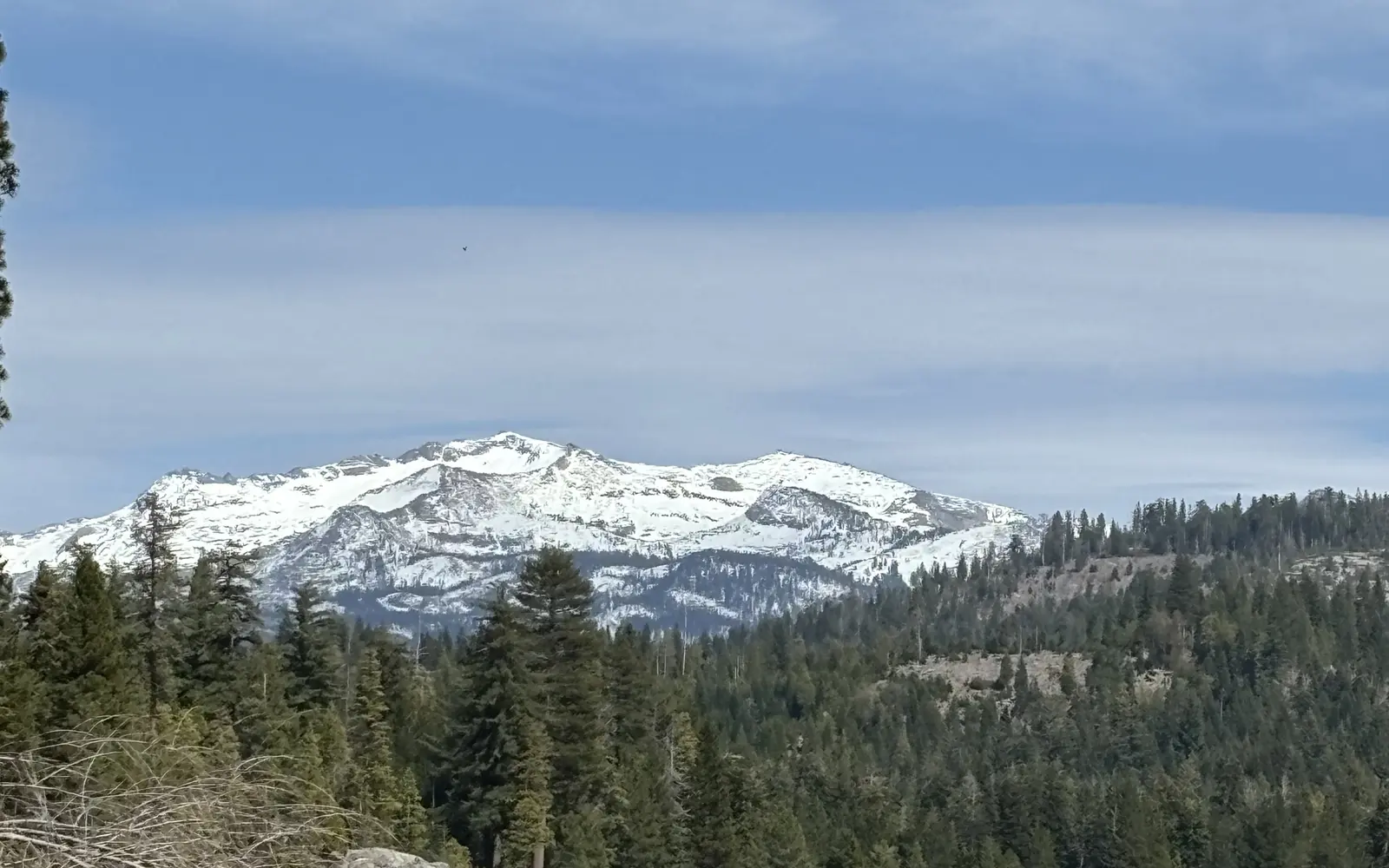
The dry-season work window
Everything about septic work in Pollock Pines comes back to one fact: the ground up here is only fully workable for part of the year. Snow arrives early, melts late, and keeps the soil saturated long after the roads are clear. The practical work window for digging, repairs, and unhurried maintenance runs roughly June through October, and smart owners treat it that way. A pump-out that is routine in August can be genuinely difficult in February, when the truck needs plowed access, the lids sit under three feet of consolidated snow, and every hose run happens on ice.
So the local rule is simple. If your tank is due this year, or you suspect it is overdue, get it done before the first real storm cycle. If a repair got flagged in spring, book it for summer instead of hoping it holds. The contractors we refer spend every October working through the list of people who realized this in September, so calling early gets better dates and a calmer job.
Snowmelt saturation: why May is the tattletale month
A leach field disposes of water by letting soil absorb it. When snowmelt has already filled that soil, the field has nowhere to send anything, and marginal systems get exposed. In Pollock Pines that reckoning often lands in April and May: drains that ran fine all winter start backing up just as the snow disappears, and owners assume something broke. Usually nothing broke. The field has simply been running at its limit for years, and saturation removed the margin.
That distinction matters because the fixes are different. A healthy field in wet ground needs patience and lighter water use for a few weeks. A failing field needs an honest assessment and probably septic repair planned for the dry season. A contractor who works this elevation can tell you which one you have, usually in a single visit, and the earlier in spring you ask, the more options you have before summer.
Steep lots, big trees, hungry roots
Most Pollock Pines parcels were cut into forested slopes off Pony Express Trail and Sly Park Road, which shapes the septic layout: the tank sits close to the house and the leach field sits wherever the slope allowed, sometimes well downhill, sometimes across the only flat spot on the lot. Gravity systems dominate, but pumped systems are common where the fall runs the wrong way, and a pump adds a component that needs its own attention.
Then there are the trees. Ponderosa pines, cedars and firs stand within root distance of nearly every leach line in town, and roots follow moisture with decades of persistence. Root intrusion is one of the most common findings when a Pollock Pines system gets opened up: hairline entries at pipe joints that thicken into full blockages. Caught early during a septic inspection, it is a manageable maintenance item. Ignored, it takes lines out of service one by one until the field cannot keep up.
Sly Park cabins and short-term rentals
The cabins around Sly Park and Jenkinson Lake carry a loading pattern that septic systems dislike: empty for weeks, then a full house every weekend, then empty again. Nobody is there to notice a slow drain on Tuesday, and the renters who notice one on Saturday may not mention it. Systems at rental properties fail loudly and at maximum occupancy, which is the expensive way.
If you own or manage a rental up here, run it on rules instead of luck:
- Pump on a fixed calendar interval, not on symptoms. Symptoms arrive too late at a property you do not live in.
- Have the system inspected during the dry season, when anything found can actually be fixed before winter bookings.
- Post simple guest guidance: no wipes, no grease, and where the water shutoff lives.
- Keep the tank location and service records in your management file so a technician is not hunting lids at dusk in the snow.
For interval planning and what a routine visit costs, our septic pumping cost guide has real local numbers, including the access factors that move the price at mountain properties.
Winter emergencies at elevation
Winter failures still happen, and emergency septic service reaches Pollock Pines year-round, but everyone involved should understand what winter response means at 4,000 feet. The truck gets there when the road is passable, the crew may need lids dug out of snow before work starts, and a repair that requires excavation will likely be stabilized rather than completed until the ground opens up. An emergency pump-out buys weeks or months of function and protects the house, and the permanent fix goes on the summer calendar.
The cheaper version of that story is prevention. A tank pumped in October, an inspection that caught the root problem in July, a rental on a fixed schedule: these are the reasons some Pollock Pines owners never meet the winter emergency at all.
One call, mountain experience included
From Cedar Grove to Sly Park, from full-time family homes to lake cabins that only wake up on weekends, septic work in Pollock Pines rewards contractors who already know steep drives, frost depth, and what May does to a leach field. That is who we refer. Call once, describe your property and your access honestly, and a licensed local operator takes it from there with the right rig and a realistic plan for the season you are in.