When a septic inspection is the right call
There are three moments to inspect a septic system: when a house changes hands, when something seems off, and every few years on a schedule just because the system is old enough to earn it. The first is by far the most common around Placerville. Outside the city core and a few districts, homes in this county sit on private septic, which means the tank and leach field are part of what is being bought and sold, and they are the single most expensive components on the parcel that nobody can see. A buyer who waives the septic inspection on a foothill property is gambling five figures on ground they have never opened.
Real estate inspections in El Dorado County transactions
Lenders frequently require a septic evaluation before funding a rural purchase, buyer's agents write them into contingencies as standard practice, and El Dorado County Environmental Management holds the permit records that a thorough inspector pulls before setting foot on the property. The inspection happens during the contingency window, which means time pressure is real: escrow timelines do not pause while someone digs for a buried lid. Booking early in the window leaves room for a second look if the first visit raises questions.
What the report says matters to both sides. For the buyer, a documented tank and field condition either confirms the price or becomes a negotiation item with numbers attached. For the seller, a clean report shuts down speculation. Either way, the deal moves on facts instead of guesses.
A load-tested inspection versus a drive-by
Not all inspections are equal, and the cheap one can be worthless. A drive-by inspection means someone lifts a lid, eyeballs the liquid level, flushes a toilet, and writes it up. That catches almost nothing, because a leach field that is nearly dead can still swallow one toilet flush. A proper transaction inspection looks like this:
- Records first. The inspector pulls the county permit file: original design, tank size, field layout, and any repair permits. Gaps in that file are findings in themselves.
- Tank opened and evaluated. Both compartments exposed, sludge and scum layers measured, liquid level checked against the outlet. A level above the outlet pipe points downstream; a level below it points at a leak.
- Baffles and structure. Inlet and outlet baffles checked, concrete inspected for cracks, seams checked for root intrusion and groundwater weeping in.
- The field under load. This is the part the drive-by skips. The inspector runs hundreds of gallons into the system, a realistic simulation of a household's day, and watches how the field takes it. Water backing up toward the tank, or surfacing over the lines, tells the truth no seller disclosure can hide.
- The ground itself. Probing over the leach lines for saturation, checking for lush stripes of growth in dry months, and walking the downhill side of the field for breakout on sloped lots.
Most systems need a pump-out to be inspected properly, so many buyers combine the two. Our pumping page covers what that visit involves, and the cost guide shows what to budget.
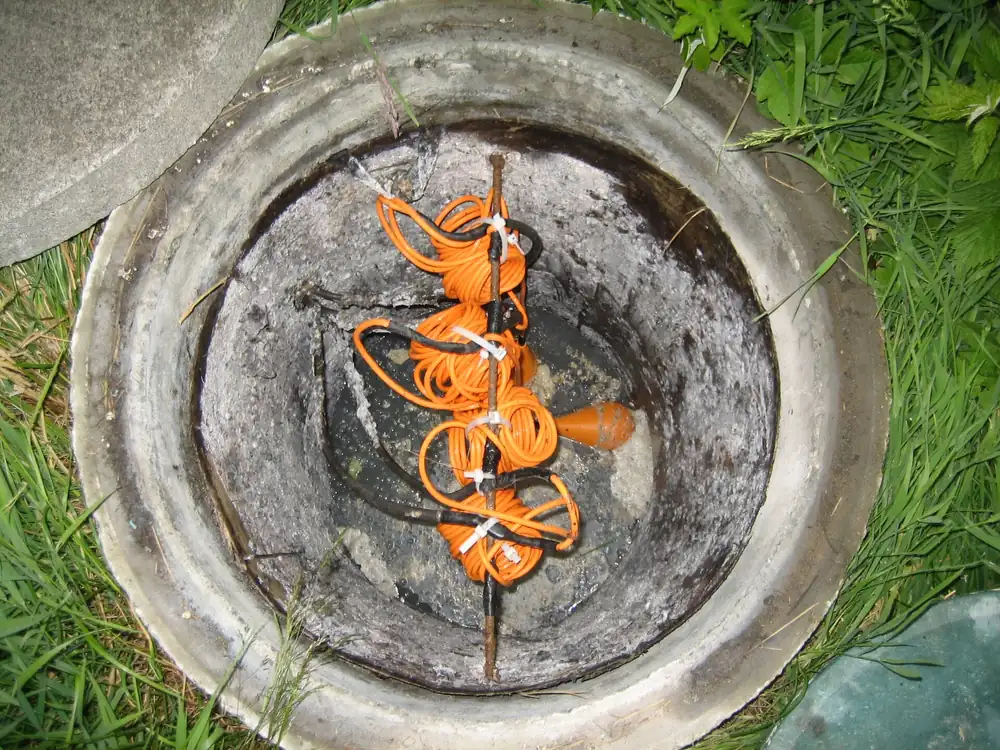
What inspectors actually find on foothill systems
El Dorado County systems fail in patterns, and a local inspector knows them all. Undersized tanks are common on pre-1980 homes around Placerville and Diamond Springs, built when a two bedroom cabin was a two bedroom cabin and not a remodeled four bedroom with a rental unit. Decomposed granite soils test beautifully when dry, then a clay lens two feet down holds winter water against the leach lines for months. Oak and pine roots find the moisture in leach lines and pry open every joint on the way. On steep wooded lots, fields were sometimes squeezed into the only flat ground available, right at the setback limits from the well, which matters because wells and septic share most rural parcels here. And unpermitted repairs turn up constantly: a field extension done with a rented backhoe and no county sign-off works until the next transaction, when it becomes the current owner's problem to legalize.
An inspector who mostly works flat valley subdivisions will miss half of this. Ask who they refer and where they work; the contractors we connect you with inspect in this county every week.
Sellers: inspect before you list
The smartest money a foothill seller spends is a pre-listing inspection two or three months before the sign goes up. A problem found in escrow is a crisis on a deadline, negotiated at panic prices with the buyer holding the leverage. The same problem found early is just a repair, done at a fair price, permitted properly through Environmental Management, with paper to show for it. A pre-listing report also lets you price the house honestly and answer the buyer's inspector with documents instead of hope. If the inspection does surface something, our repair page explains the fix and permit process.
Routine condition checks between sales
Outside real estate, a condition check every 3 to 5 years, usually done while the tank is open for pumping, is cheap insurance. The inspector confirms the baffles are intact, measures how fast sludge is building (which fine-tunes your pumping interval), and looks for early field stress before it becomes failure. Systems that deserve a closer eye: anything on a steep lot, anything with mature oaks or pines near the field, any home with a garbage disposal or rental traffic, and any system whose age is a mystery. Catching a $600 baffle repair before it becomes a $25,000 field replacement is the entire business case.
Records and permit history: the paper trail matters
El Dorado County Environmental Management keeps septic permit records, and they are worth pulling even outside a sale. The file tells you the tank size, where the field runs, and whether the system on paper matches the system in the ground. Keep your own file too: pump-out receipts, inspection reports, repair invoices, permit numbers. When you eventually sell, that folder answers most of the buyer's questions before they are asked, and documented maintenance is the strongest evidence a seller can offer that the system was cared for. Our FAQ page covers more on what buyers and sellers each need in hand.
How much does a septic tank inspection cost?
A full load-tested transaction inspection in this county generally runs several hundred dollars, most commonly in the $350 to $650 range, more when combined with a pump-out, and the variables are the same ones that drive pumping: how deep the lids are buried, how far the truck can get from the tank, and whether records exist to locate everything quickly. Buried lids with no risers can add an hour of digging. It is real money, but it is priced against the alternative, which is discovering a $30,000 field failure in your first wet January as the new owner. If you want to understand the referral process before calling, see how it works.
Inspection questions from buyers and sellers
How long does a septic inspection take?
Plan on two to three hours on site for a full load-tested inspection, longer if the lids need digging or the field layout is undocumented. The written report typically follows within a couple of days, which is why booking early in the contingency window matters.
Who pays for the inspection in a sale?
It is negotiable, like most inspection costs in a California transaction. Buyers usually order and pay for their own inspection so the inspector works for them. Sellers pay when they choose a pre-listing inspection, and that money generally comes back in smoother negotiations.
Does the tank have to be pumped to inspect it?
For a real evaluation, yes. Baffles, cracks, and root intrusion are only visible in an empty tank, and measuring the sludge layer requires opening it anyway. Combining pumping and inspection in one visit is standard and saves a second trip charge.
Will the county make me upgrade if an inspection finds problems?
An inspection itself does not trigger county action, but repairs that follow from it need Environmental Management permits, and a failed system must be brought right. What you cannot do is paper over a known failure and pass it to a buyer; disclosure rules in California are unforgiving on that point.