Ranchette country along Green Valley and Deer Valley Roads
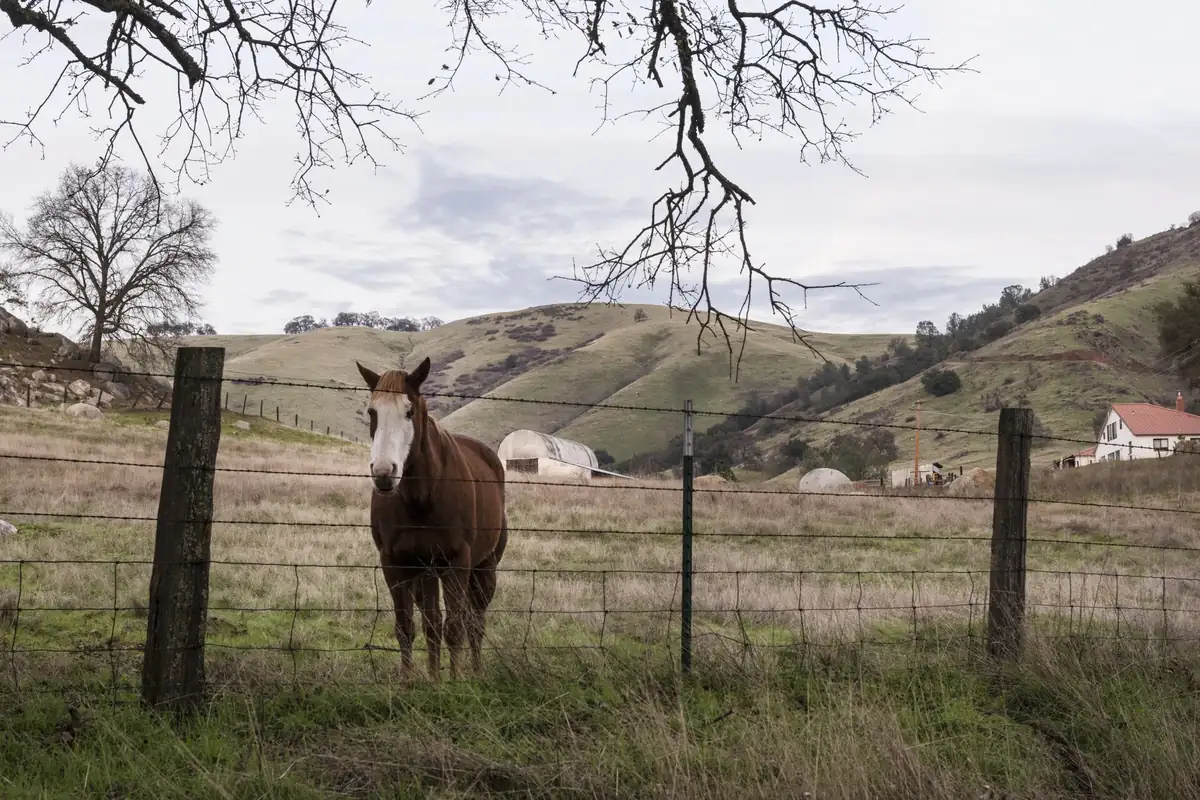
Rescue is what people picture when they say rural El Dorado County without meaning mountains: rolling oak woodland cut into parcels of two, five and ten acres along Green Valley Road, Deer Valley Road and the lanes that branch off them. The properties run to horse setups, small orchards, family compounds where the shop outgrew the house, and custom homes set well back from the road. Nearly all of it is beyond any sewer line and always will be, and nearly all of it drinks from its own well. Every one of these parcels is running a private water utility and a private wastewater utility at the same time, usually within a few hundred feet of each other.
That pairing is the defining septic fact in Rescue. A leach field in decline is never just a soggy patch of pasture here. It is a contamination risk pointed at the same ground your well draws from, and it deserves to be treated with that level of seriousness.
Setbacks: the rules that shape every Rescue system
County and state rules require minimum separation between septic components and wells, generally 100 feet from a leach field to a wellhead and 50 feet from the tank, with bigger numbers in some soil and slope situations. On a five-acre parcel that sounds trivial until you draw the circles. The well, the house, the driveway, the barn, the pasture drainage and the only patch of decent soil have a way of crowding the same corner of the property, and older systems were sometimes placed before anyone measured carefully.
Setbacks bite hardest during repairs and replacements. A failing field cannot always be rebuilt where it lies; if the original siting would not pass today, the replacement has to go where the rules allow, which can mean longer lines, a pump system, or engineered alternatives. This is why septic repair on well-and-septic parcels starts with a site evaluation rather than a backhoe. The contractors we refer walk the property, locate the well and the property lines, and design to the setbacks first, because a repair the county rejects is just an expensive hole.
Run both utilities on the same discipline
Most Rescue owners are diligent about their wells: they test the water, they service the pump, they notice pressure changes. The septic system deserves the same footing, because the two systems fail into each other. A practical routine for a paired property looks like this:
- Pump the tank on a fixed interval, every three to five years for most households, and keep the receipts with your well records.
- Add a septic inspection every few years, and make sure the report notes well distance and the condition of everything upslope of the wellhead.
- When you test well water annually, treat any bacteria result as a septic question too, and say so when you call.
- Walk the leach field a few times a year. On acreage, surfacing effluent can go unnoticed in a way it never would on a town lot.
- Effluent pooling anywhere upslope of the well is a call-today situation, not a spring project. Emergency septic response exists for exactly this.
Animals, acreage, and what big parcels hide
Horse properties and hobby farms add their own wrinkles. Livestock traffic compacts soil, and a leach field that becomes part of a paddock will fail years early; fencing the field off costs almost nothing compared to replacing it. Pasture irrigation can mask a surfacing failure by keeping everything green, so the July walk-through matters more here than in town. And large parcels tempt owners to route wash water or extra fixtures to the system informally over the years. Every fixture counts against the same tank, and the day of reckoning arrives at the pump-out, when the interval that used to work suddenly does not.
New outbuildings deserve the same caution. A barn or shop with a bathroom either ties into the existing system, which counts against its capacity, or needs its own permitted solution. Deciding that on paper before the slab is poured is cheap. Deciding it after the county asks about it is not.
Easy access, honest distances
Compared to the county's mountain towns, Rescue is friendly work for a pump truck: driveways are long but flat, gates are wide, and tanks are usually reachable without drama, which keeps routine septic pumping pricing at the reasonable end of the local range. The variable out here is simply distance and scheduling. Rescue sits between the Highway 50 corridor and the Georgetown Divide, and operators route it with the rest of the day in mind. For routine work, flexibility on the day of the week gets you a better slot. For urgent work, a genuinely local operator matters, because same-day means a truck already working the corridor rather than a dispatcher two counties away quoting Thursday.
One habit makes every visit smoother: know where your lids are, and tell the contractor about gates, dogs and livestock when you book. Ten minutes of description saves an hour of hunting on five acres.
The Rescue bottom line
Out here you are the water district and the sanitation district, and the two jobs share a fence line. Pump on schedule, inspect with the well in mind, keep hooves and vehicles off the field, and act fast on anything that surfaces. When you need a hand, one call connects you with a licensed local contractor who works well-and-septic properties every week and designs to the setbacks before the shovel hits the ground.